Camping trip, hotel room, power cut, or a machine that picked this morning to die. You have coffee and hot water and nothing designed to combine them. The good news is that a mug and four minutes will get you something perfectly drinkable, and a sieve will make it properly good.
What a coffee maker actually does
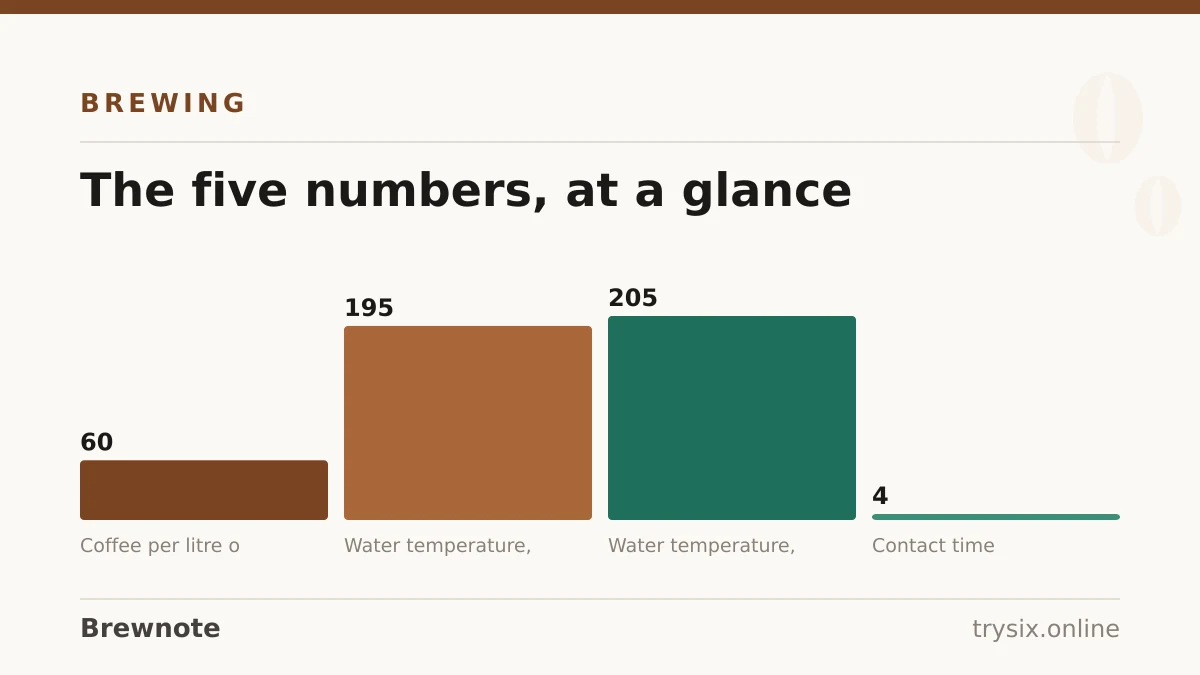
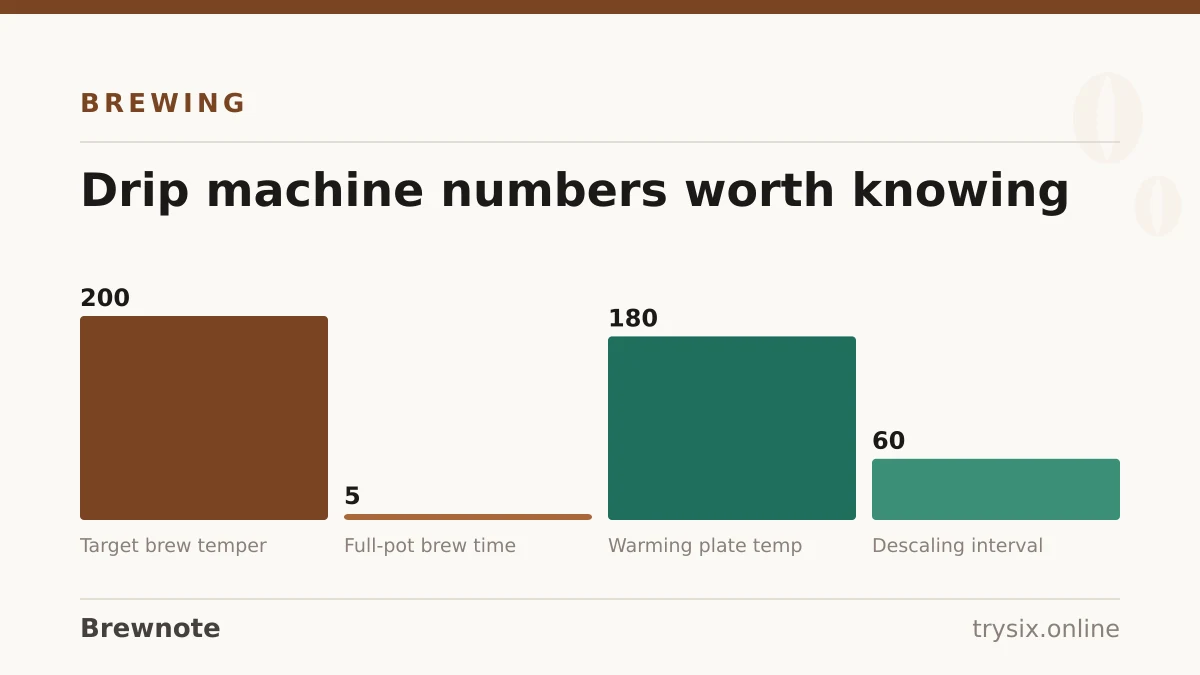
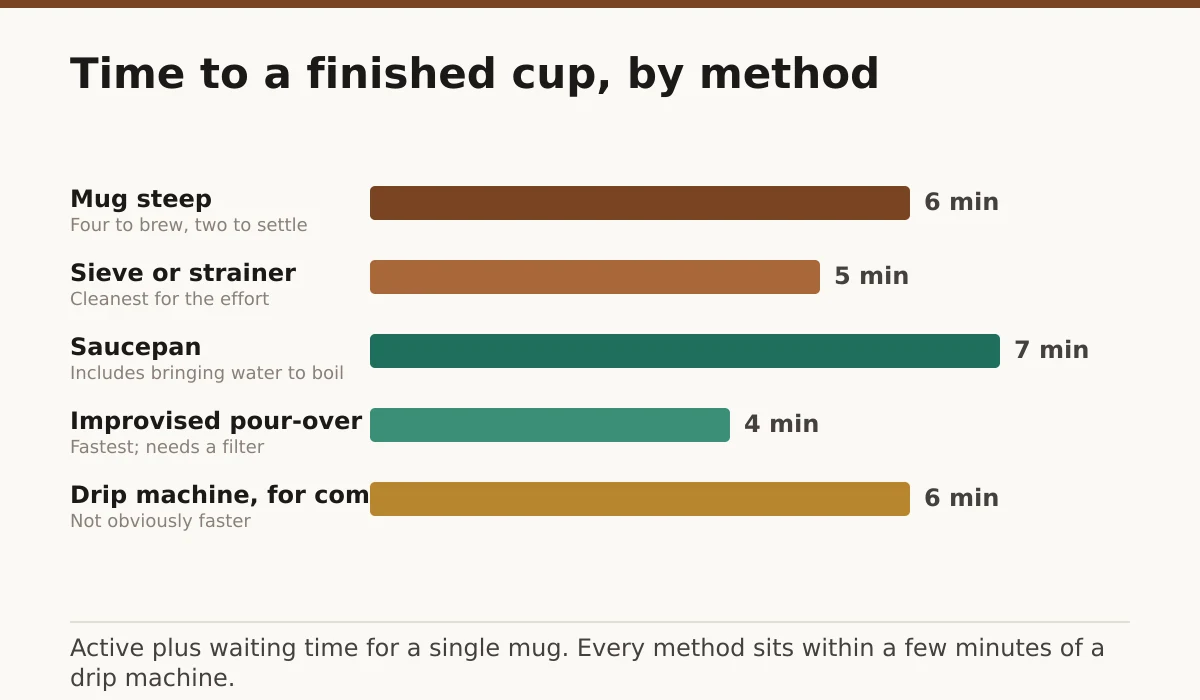
A drip machine heats water to about 200°F, distributes it over ground coffee, holds the two in contact for four to six minutes, and then separates them with a filter. Every one of those steps can be done by hand with things already in a kitchen, and none of them requires electricity beyond boiling water.
So the question is not really whether you can make coffee without a machine — you obviously can, that is how coffee was made for centuries — but how to do it without ending up with grit in your teeth.
Method one: the mug steep
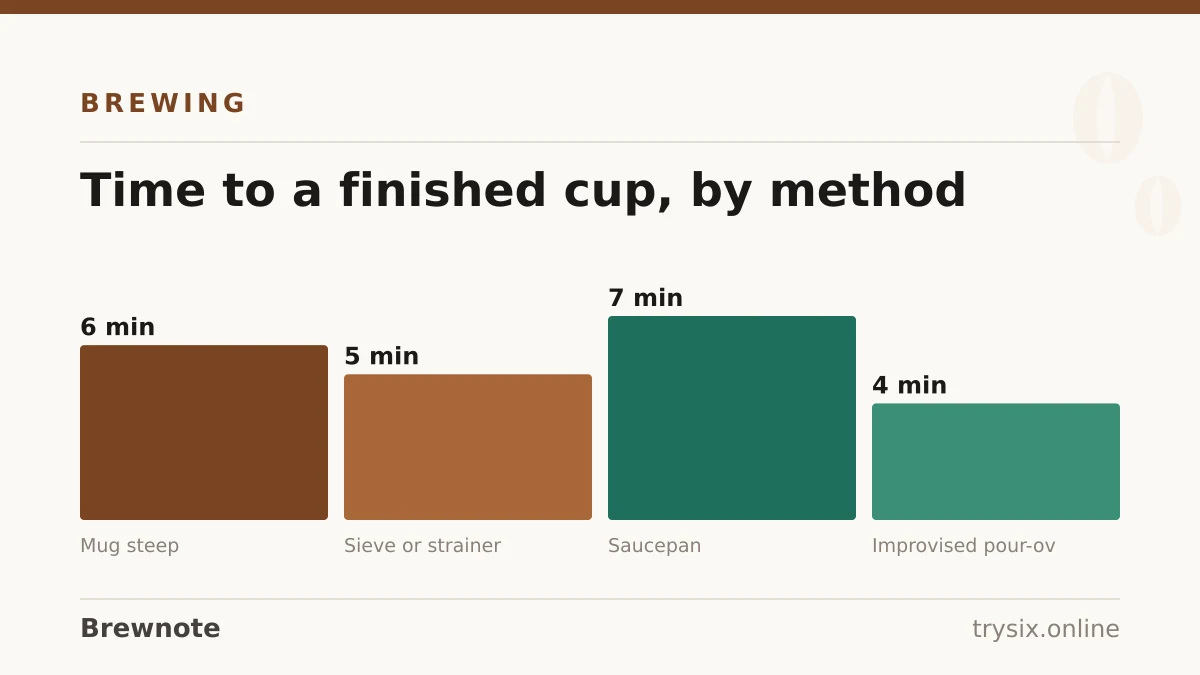
The lowest-equipment version. It works, it takes four minutes, and the only compromise is a small amount of sediment at the bottom of the mug.
Mug steep, one cup
Step 1: Measure
Two level tablespoons of ground coffee — about 22 g — straight into the mug. Medium grind is ideal; anything you have will work, but very fine grind will make the sediment worse.
Step 2: Boil and wait
Boil the kettle, then let it stand for 30 seconds. Water straight off a rolling boil is around 212°F, which is above the useful range and pulls harsh, bitter compounds.
Step 3: Pour and stir
Fill the mug to about 350 ml. Stir once so every ground is wet — dry clumps float and never extract.
Step 4: Wait four minutes
Set a timer. This is where the extraction happens. Do not stir again; you want the grounds settling, not swirling.
Step 5: Break the crust and settle
Most grounds float to the top as a crust. Push it down with a spoon and skim off what you can, then leave the mug still for two more minutes. The rest sinks.
Step 6: Drink to the last inch
Stop before you reach the sediment. It will be obvious when you get there.
Method two: sieve or strainer
If you own a fine mesh tea strainer or a small kitchen sieve, you have the missing piece of a coffee maker. Brew the mug steep above, then pour it through the sieve into a second mug.
A single mesh pass catches the bulk but leaves fines. Line the sieve with a paper towel, a coffee filter, or a piece of clean cotton — a well-rinsed handkerchief or a bit of muslin — and the result is as clean as a drip machine's. Rinse the paper towel with hot water first, or it will taste of paper.
| Separator | Sediment | Body | Effort |
|---|---|---|---|
| Nothing — let it settle | Noticeable at the bottom | Heavy, full | None |
| Mesh sieve | Fine silt only | Full | Low |
| Sieve lined with cloth | Almost none | Medium-full | Low |
| Sieve lined with paper towel | None | Clean, lighter | Low, rinse first |
| Improvised paper filter | None | Clean, lighter | Medium |
Method three: the saucepan
Brewing in a pan on the hob is the oldest approach and still works. The key difference from the mug steep is that you control the temperature directly, which also means you can overshoot it.
- Bring the water to the boil in the pan, then take it off the heat for 30 seconds.
- Add the coffee at 1:16 — 62 g per litre — and stir once.
- Leave it off the heat for four minutes. Do not boil the coffee: boiling extracts harsh compounds and drives off the aromatics.
- Sprinkle a little cold water over the surface. It helps the floating grounds sink.
- Pour slowly, holding the pan steady so the settled bed stays at the bottom.
This is essentially the traditional cowboy method, and how to make coffee on the stove goes further into the stovetop options, including the moka pot if you happen to own one.
Method four: an improvised pour-over
If you have a paper coffee filter but no cone, you can hold one in a sieve, clip it to the rim of a mug with clothes pegs, or fold it into a cone and rest it in a funnel. The technique is the same as any pour-over: wet the grounds, wait 30 seconds, then pour slowly in circles.
In place of a coffee filter, a clean cotton cloth works well and is how coffee is still made across much of Latin America. A paper towel works but is fragile when saturated — use two layers and pour gently.
What goes wrong, and why
| Problem | Cause | Fix |
|---|---|---|
| Bitter, harsh | Water was boiling, or steeped too long | Wait 30 s after the boil; stop at 4 minutes |
| Sour, thin | Too little coffee, or steeped under 3 minutes | Weigh it; 22 g per 350 ml |
| Gritty | Grind too fine, or no separation step | Use a sieve; ask for a coarser grind |
| Tastes of paper | Unrinsed paper filter or towel | Rinse with hot water before brewing |
| Weak despite plenty of coffee | Dry clumps never got wet | Stir once immediately after pouring |
Which one to use
If you are doing this once — a hotel room, a power cut, a camping trip — use the mug steep. If you are doing it every day because you have not bought a machine, use a sieve lined with cloth; it is a two-pound purchase that gets you 90 percent of the way to a drip machine's cup.
The variables that decide quality are the same regardless of equipment, and they are covered in how to make the perfect cup of coffee: ratio, grind, water, temperature and time. A careful mug steep beats a careless machine every time. And if you do have a machine but have never been shown how to get the best from it, how to use a drip coffee maker is the companion piece.