Bags say things like 100% arabica, single origin, house blend, and it is not obvious which of those tell you something real and which are just words. Two of them genuinely matter, one is meaningless without tasting it, and knowing the difference saves money.
The four species
| Species | Share of production | Caffeine | Tastes | Grown at |
|---|---|---|---|---|
| Arabica | Majority | ~1.2–1.5% | Sweet, acidic, aromatic | 900–2,000 m |
| Robusta (canephora) | Most of the rest | ~2.2–2.7% | Harsh, grainy, bitter | 0–800 m |
| Liberica | Under 2% | ~1.2% | Smoky, woody, divisive | Lowland tropics |
| Excelsa | Very small | ~1.2% | Tart, fruity, dark | Often blended |
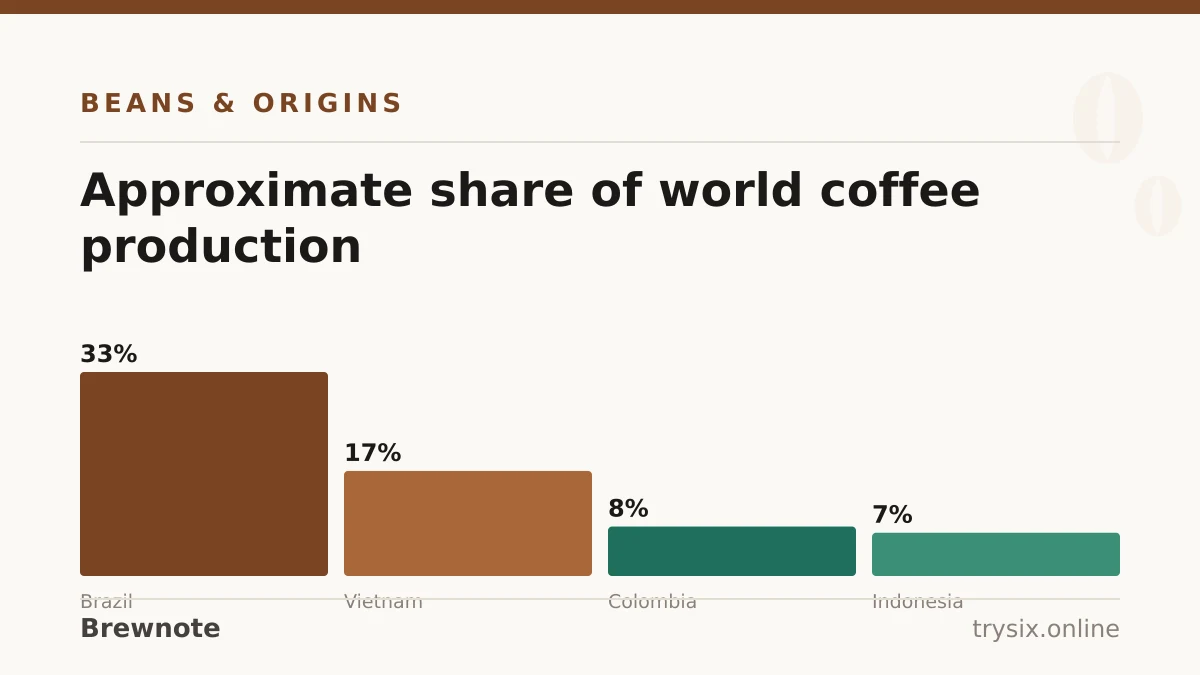
Arabica is what most people mean by coffee. It is more delicate, more disease-prone and more expensive to grow, and it accounts for the majority of world production. Robusta makes up most of the remainder and dominates instant coffee.
Arabica against robusta in practice
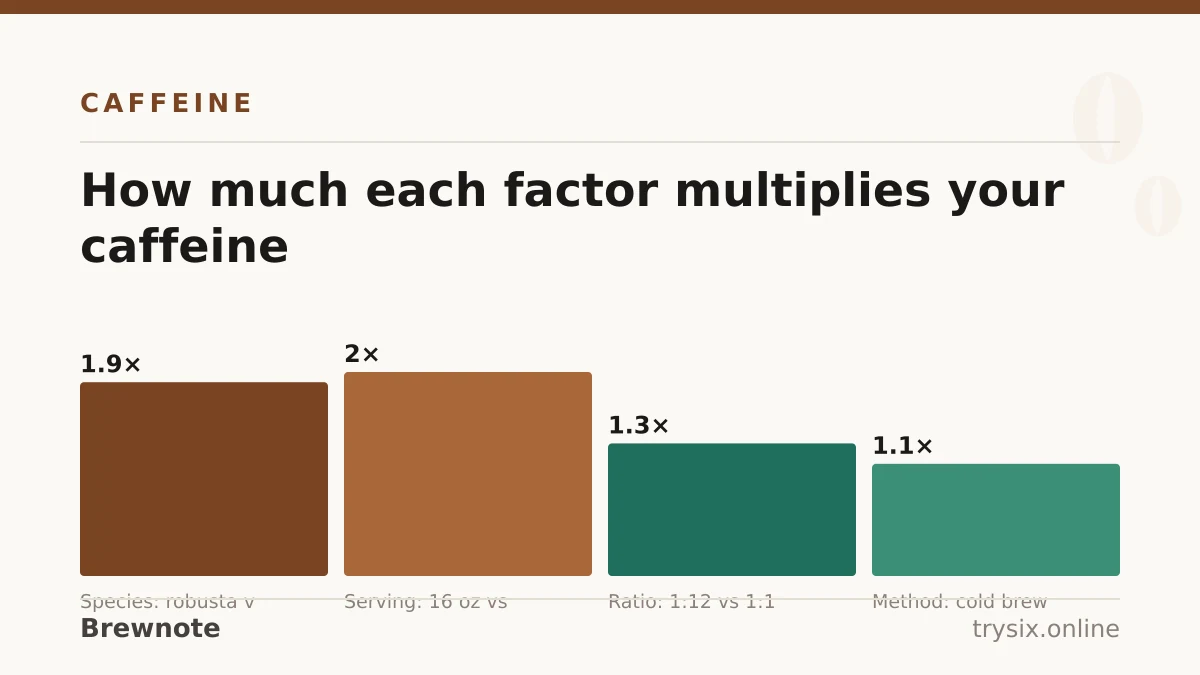
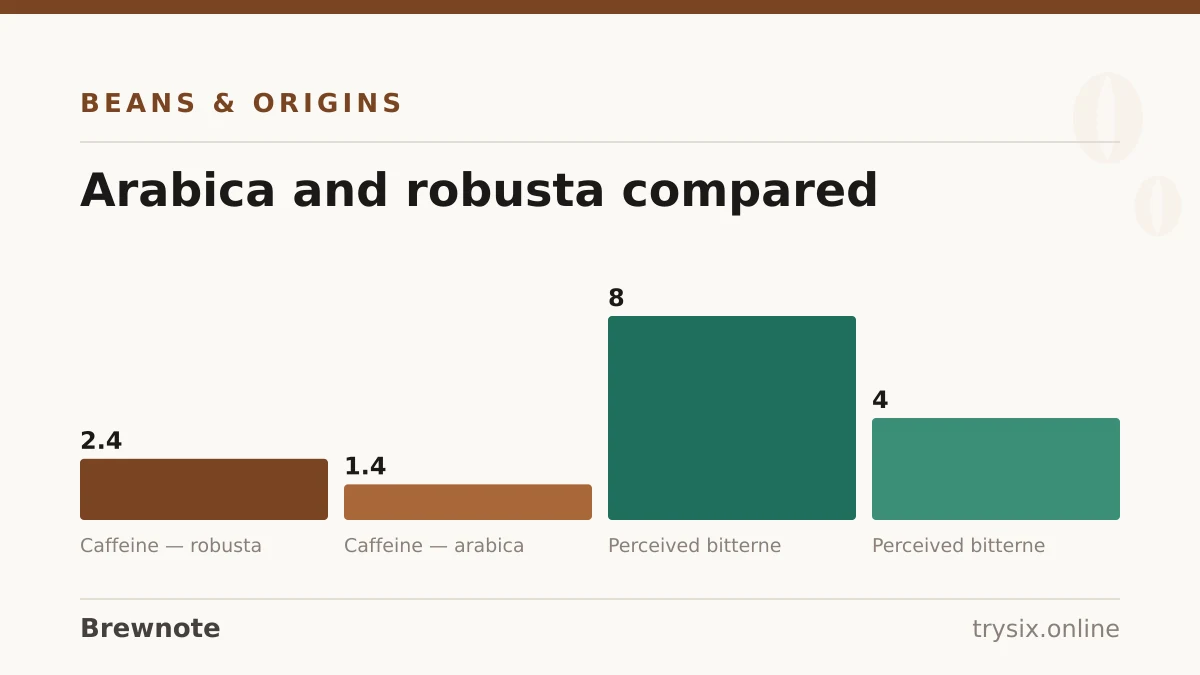
The differences that matter to a drinker come down to caffeine, bitterness and price. Robusta's higher caffeine is not incidental: caffeine is a natural insecticide, and the higher concentration is part of what makes the plant hardier.
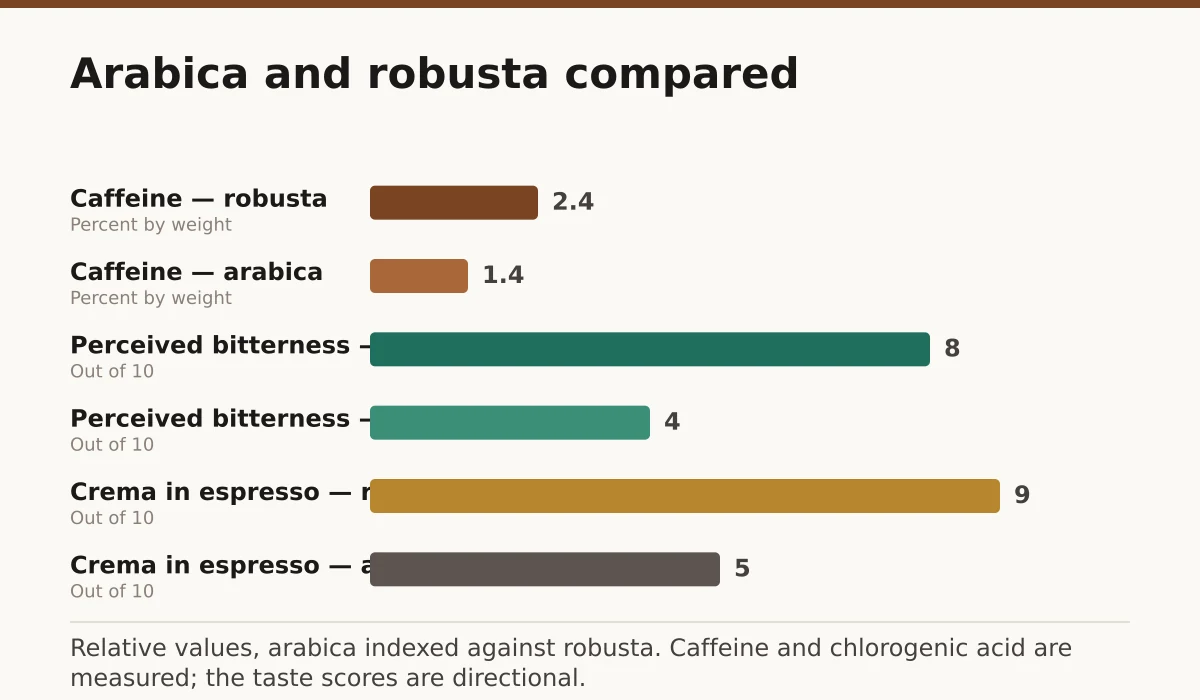
If you want more caffeine, a robusta-containing blend is the largest single lever available — bigger than roast level or brew method, as what coffee has the most caffeine sets out.
Single origin
'Single origin' means the coffee comes from one identifiable place. What counts as a place varies, and the term is not regulated.
- Single country: 'Colombian coffee'. The loosest usage, and the least informative.
- Single region: 'Yirgacheffe', 'Huila'. More meaningful — regions have recognisable characteristics.
- Single estate or farm: named producer. Traceable to one operation.
- Single lot: a specific harvest from a specific plot, often with the variety and processing named. The strictest usage.
The value of single origin is that it lets a coffee taste of somewhere in particular. An Ethiopian Yirgacheffe and a Sumatran Mandheling are recognisably different drinks, and blending them would average out exactly what makes each interesting. That is the argument — not that single origin is automatically better.
Blends
A blend combines coffees from different origins, and there are three legitimate reasons to make one.
Why roasters blend
Step 1: Consistency across harvests
Single-origin coffees change every season, and some years are poor. A blend can be adjusted to taste the same in March as it did in September, which matters enormously to a café serving the same espresso daily.
Step 2: Building a profile
Combining a bright Ethiopian with a heavy Brazilian produces something neither could be alone. Espresso blends in particular are constructed for how they behave in milk.
Step 3: Cost management
Blending a small proportion of cheaper coffee into a more expensive one lowers the price. This is the reason blends get a bad name, and it is genuinely what some blends are for.
Step 4: Crema and body in espresso
Adding 10 to 20 percent robusta gives markedly more crema and a heavier mouthfeel — a deliberate technical choice, not a cost dodge.
Breakfast blend and other names
'Breakfast blend' has no standard definition. In practice it usually means a medium roast, mild and unchallenging, intended to be drunk with milk in the morning. It tells you approximately nothing about origin or species.
| Label | What it means | Reliability |
|---|---|---|
| 100% arabica | No robusta in the bag | Meaningful, though arabica varies enormously |
| Single origin | One identifiable place | Meaningful; the definition varies |
| Breakfast blend | Usually a medium roast | Marketing; no standard |
| House blend | The roaster's own recipe | Meaningless without tasting it |
| Espresso roast | Suggested use; usually darker | Advisory, not a bean type |
| Kona blend | May contain as little as 10% Kona | Look for '100% Kona' instead |
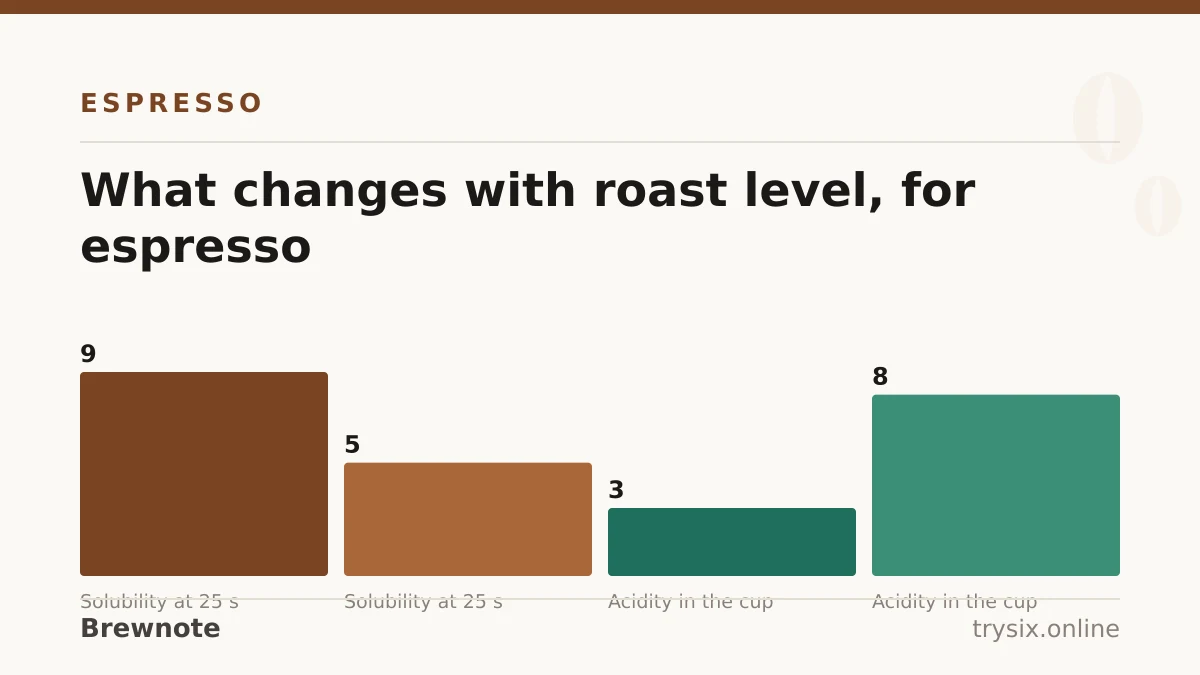
'Espresso roast' is worth a specific note: it describes intended use rather than a different bean, as espresso beans vs coffee beans explains at length.
What to actually look for
Species and origin matter less than two other things: when it was roasted, and how far it was roasted. A superb single-origin Ethiopian roasted four months ago will taste worse than an ordinary blend roasted last week.
So read the bag in this order: roast date first, roast level second, origin third, species fourth. Where to buy coffee beans covers finding a roast date at all, and the best coffee for beginners suggests where to start if this is your first deliberate purchase.