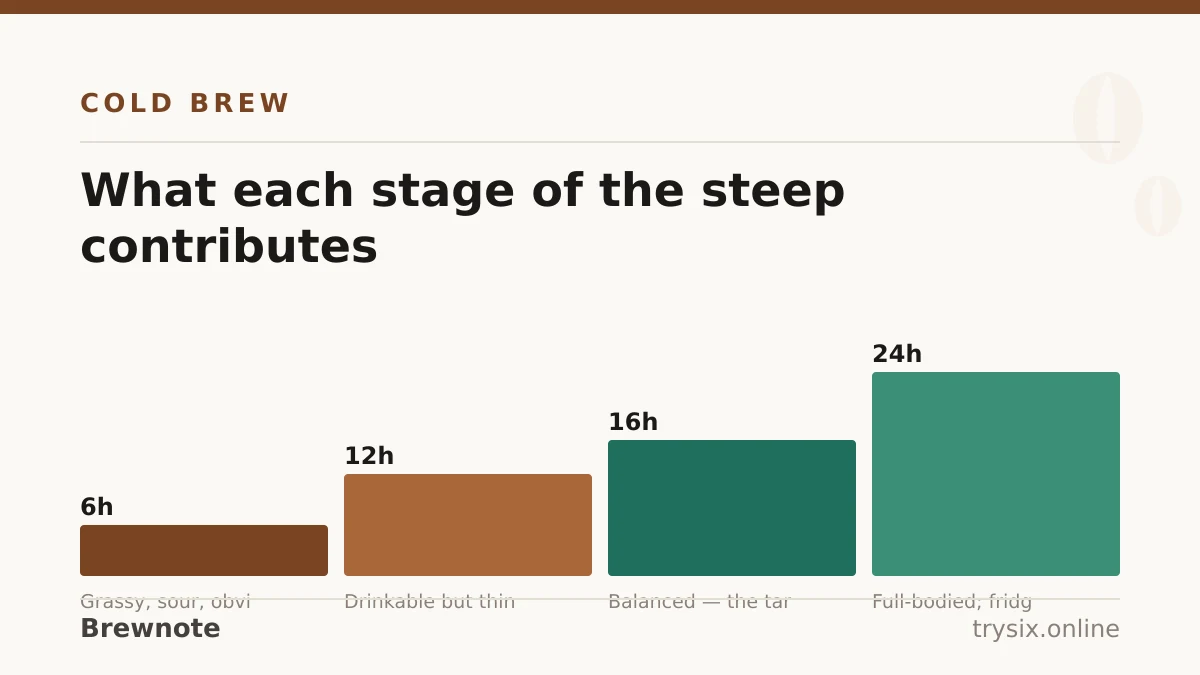
Cold brew is the rare coffee method where patience does all the work. There is no technique to master, no timing to hit, and almost nothing to get wrong — you put coffee in water, walk away overnight, and strain it in the morning. The two things people do get wrong are both easy to avoid.
What cold brew actually is
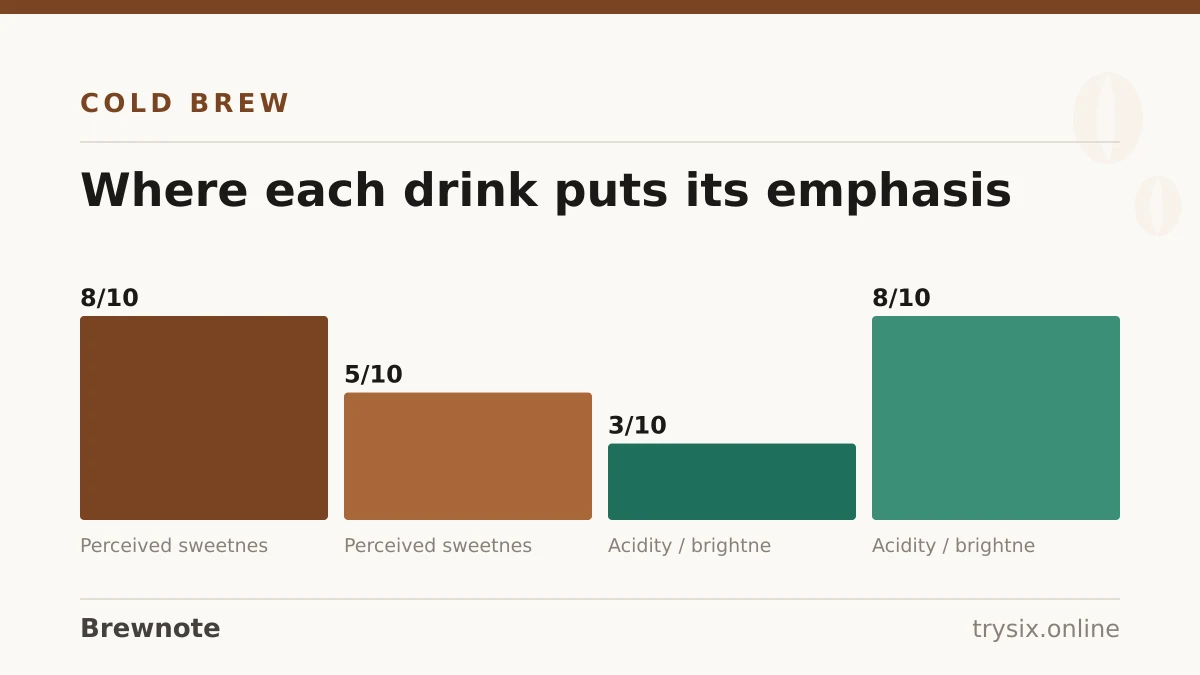
Cold brew is coffee extracted without heat. Grounds sit in cold or room-temperature water for the better part of a day, and time does the work that temperature does in a drip machine. That single change alters what ends up in the cup: cold water is a poorer solvent for many of the acids and aromatic compounds that hot water pulls readily, so the result reads as rounder, sweeter and less bright.
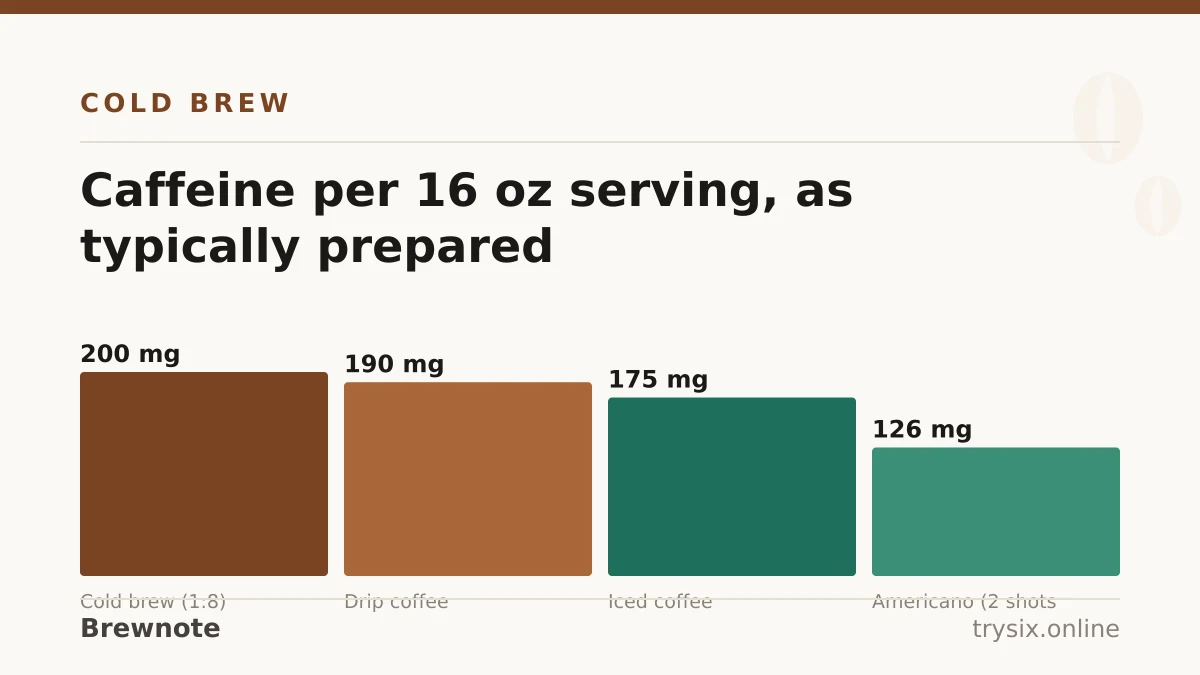
It is not the same drink as iced coffee, which is brewed hot and then chilled. And it is not automatically stronger, though it often is as sold — that depends entirely on the ratio, which is what this recipe pins down.
What you need
- 125 g whole beans, ground coarse. A medium roast is the easiest starting point; see the best coffee for cold brew if you are buying specifically for this.
- 1 litre of cold water. If your tap water tastes of chlorine, filter it — you are about to concentrate that flavour over 16 hours.
- A 1.5-litre jar, jug or French press
- A fine mesh sieve, and a paper filter, cloth or nut-milk bag for the second strain
- A kitchen scale. Volume measures are the single most common cause of a weak batch.
The method
Step 1: Grind coarse
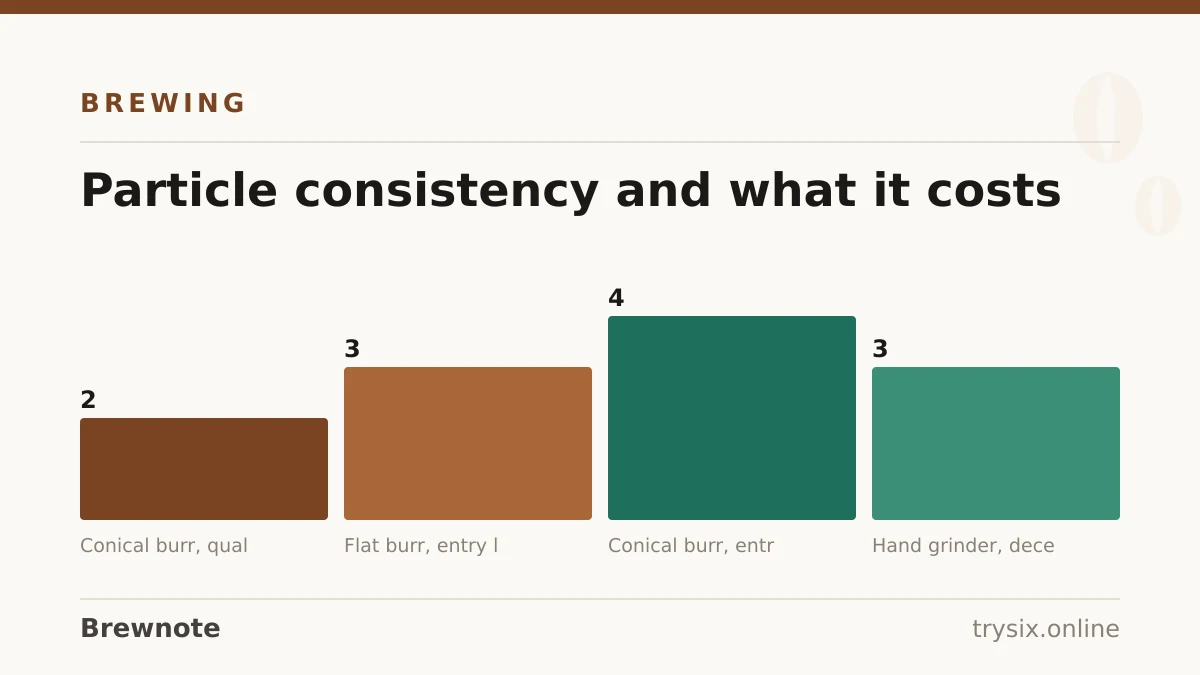
Coarse means visibly chunky — the texture of raw sugar or coarse sea salt, not sand and certainly not powder. Grind size sets how much surface area the water can reach, and across 16 hours a fine grind extracts far past the point where it tastes good. Our grinding guide shows the size against other brew methods.
Step 2: Wet everything
Add the grounds to the jar, pour on the litre of water, and stir until no dry clumps remain floating. Dry pockets never extract, and they are the reason an otherwise correct batch tastes weak.
Step 3: Steep
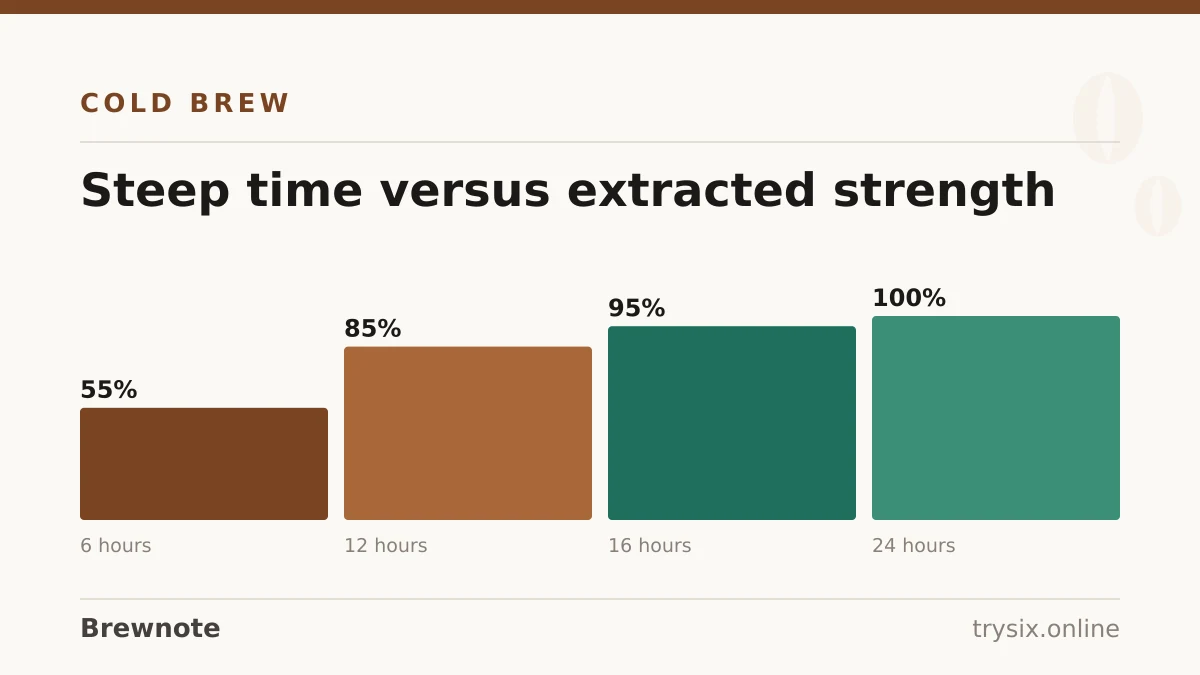
Cover and leave 16 hours at room temperature, or 20 to 24 hours in the fridge. Extraction rate rises with temperature, so the counter is faster; the fridge is slower but slightly cleaner-tasting and safer in a warm kitchen.
Step 4: Strain coarse first
Pour through the mesh sieve into a second container to remove the bulk of the grounds. If you brewed in a French press, press the plunger down slowly and stop before it compresses the bed.
Step 5: Strain fine second
Pass the liquid through a paper filter, cloth or nut-milk bag. This catches the fines that make cold brew taste silty. Let it drip; do not squeeze or wring the filter, which forces over-extracted bitter liquid through.
Step 6: Bottle and date
Into a sealed bottle in the fridge. Ready-to-drink cold brew is at its best within about five days and drinkable for about a week; after that it flattens noticeably.
Steep time, and why longer is not stronger
Extraction is fast at first and slows sharply. A 2017 study in Scientific Reports measured caffeine and chlorogenic acid across steep times, temperatures and grind sizes, and found that once the readily soluble material is out, further hours add very little of what you want and a fair amount of what you do not.
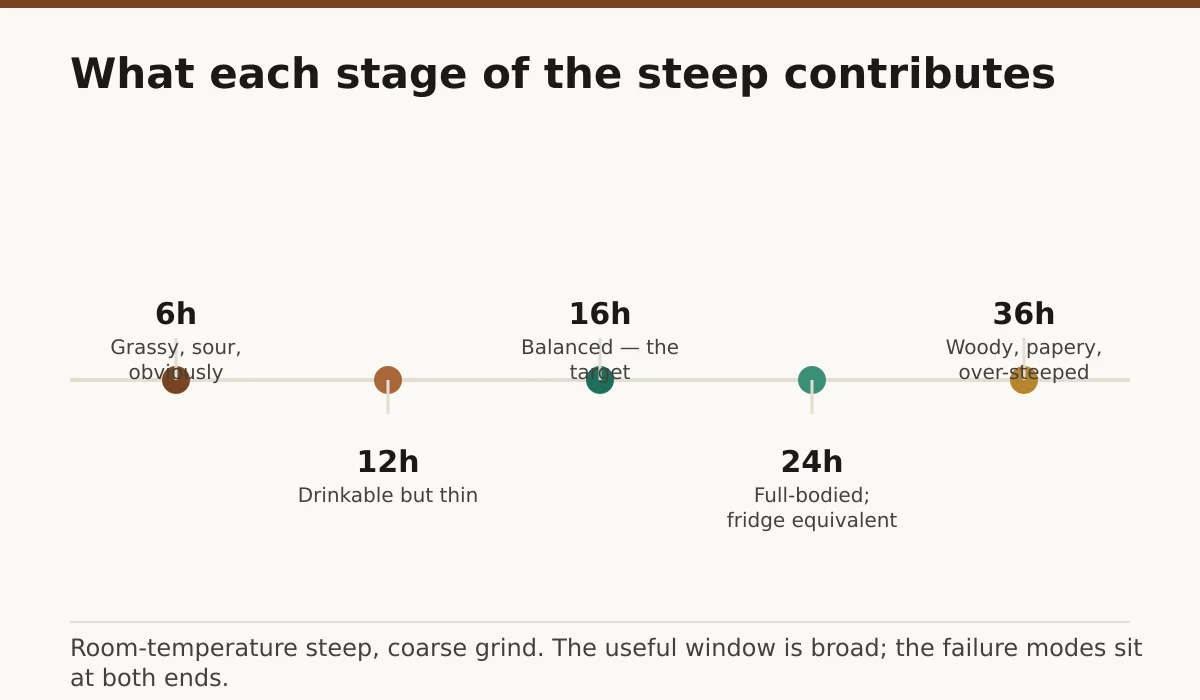
If your cold brew is too weak, the fix is more coffee, not more hours. Going from 1:8 to 1:6 changes the drink; going from 16 hours to 30 mostly adds wood.
Ratios at a glance
| Ratio | Coffee per litre | Result | Use it for |
|---|---|---|---|
| 1:5 | 200 g | Concentrate | Diluting to order; milk drinks |
| 1:6 | 165 g | Strong ready-to-drink | Pouring over a full glass of ice |
| 1:8 | 125 g | Ready-to-drink | Drinking straight from the bottle |
| 1:12 | 83 g | Light and tea-like | All-day sipping; light roasts |
| 1:16 | 62 g | Too weak for cold brew | This is a drip ratio, not a cold one |
That last row is worth dwelling on. A 1:16 ratio makes perfectly good hot coffee, because hot water extracts far more efficiently. Cold water does not, so a cold steep at drip ratios tastes hollow. Cold brew needs more coffee to reach the same perceived strength — which is exactly why it costs more per glass than a drip cup.
Fixing a bad batch
| Symptom | Cause | Fix |
|---|---|---|
| Bitter and drying | Grind too fine, or the filter was squeezed | Coarsen the grind; let it drain unaided |
| Sour and hollow | Under-steeped or ratio too weak | 16 h minimum; move to 1:6 |
| Gritty, silty mouthfeel | One strain only | Second strain through paper or cloth |
| Flat and cardboard-like | Stale beans, or brewed over a week ago | Check the roast date; drink within 5 days |
| Tastes of chlorine | Tap water | Filter the water before brewing |
| Weak despite 1:8 | Measured by volume, not weight | Weigh it — scoops vary by 20 percent or more |
Serving it
- Over ice, straight from the bottle. This is what 1:8 is for.
- Half cold brew, half milk, over ice — closer to a coffee-flavoured milk than a latte, because 1:8 is not strong enough to stand up to dairy. For milk drinks, brew concentrate instead.
- Hot: pour 150 ml of cold brew into a mug and top with 50 ml of boiling water. It will taste different from a hot-brewed cup — flatter and sweeter — because the aromatic compounds were never extracted in the first place.
- With a pinch of salt, if it reads as bitter. Salt suppresses bitterness perception more effectively than sugar does.
Cold brew coffee samples were measurably less acidic than their hot-brewed counterparts at equivalent roast levels.
— Rao & Fuller, Scientific Reports (2018)
That measured drop in acidity is the honest core of the health claims made for cold brew — and it is narrower than the marketing suggests. Whether cold brew is actually healthier goes through what has and has not been shown. If you want to know how the caffeine compares, see is cold brew stronger.